
In Front of the Meter
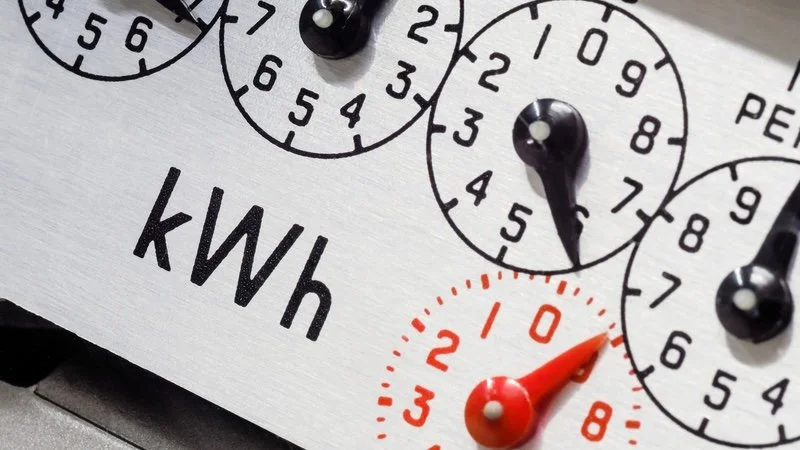
Unlike privately owned, “behind-the-meter” energy generation and storage assets, “in front of the meter” typically refers to solar, wind, and other energy assets that are owned and/or managed by utility companies.
Examples: In Front of the Meter
Utilities represent the vast majority of electricity supplied in the United States. According to U.S. energy facts explained, published by the U.S. Energy Information Administration (EIA), 96% of utility-scale electricity generation in 2023 was supplied by the electric power sector—organizations whose primary business revolves around electricity sales.
Coal, natural gas, and crude still account for the top three sources of U.S. energy production (EIA, 2023), but solar and wind have recently gained momentum with utilities. Utility-backed renewable projects usually occur “in front of the meter.” Examples include:
Community Solar: Not everyone can afford to put solar panels on their private residences. Likewise, not every building is situated in an ideal location for solar. Community solar opens up an opportunity for local consumers to participate in solar projects. The U.S. Department of Energy’s resource, What is Community Solar?, explains the concept well: “Community solar subscribers pay for a share of the electricity generated by the solar project, and then receive a portion of the dollar value generated by the project as a credit.” Bill credits, energy diversification, and environmental considerations are reasons why community solar has gained traction in the United States.
Utility-Scale Solar: Compared to community solar, utility-scale solar projects typically involve more energy generation and much larger geographic areas—at least 600 acres. Such projects are often in response to a shift in energy strategy, such as the retirement of a coal-fired plant. Energy produced by utility-scale solar parks flows in a way that’s similar to traditional methods. That is, through the power lines and past each customer’s meter.
Battery Storage: As utilities diversify with non-traditional sources like solar and wind, the need for utility-scale battery storage continues to grow. According to an article published in 2025 by the U.S. Energy Information Administration (EIA), utility-scale battery storage capacity increased by 66% in 2024. Utility-owned battery storage helps producers capture off-peak supply and keep energy flowing to customers’ meters.
Land Services for Renewable Energy Projects
New Era Land Services supports renewable energy projects, including solar, wind, and battery storage. Utilities, developers, and energy companies can contact us to discuss project requirements and availability.